


Some studies have reported that different parts of the pomegranate fruit, especially the peel, may act as potential antimicrobial agents and thus might be proposed as a safe natural alternative to synthetic antimicrobial agents. The high tannin content, especially punicalagin, found in pomegranate extracts, has been reported as the main compound responsible for such antimicrobial activity. Because the pomegranate peel chemical composition may vary with the type of cultivar (sweet, sour–sweet and sour), pomegranates may also differ with respect to their antimicrobial capacity.
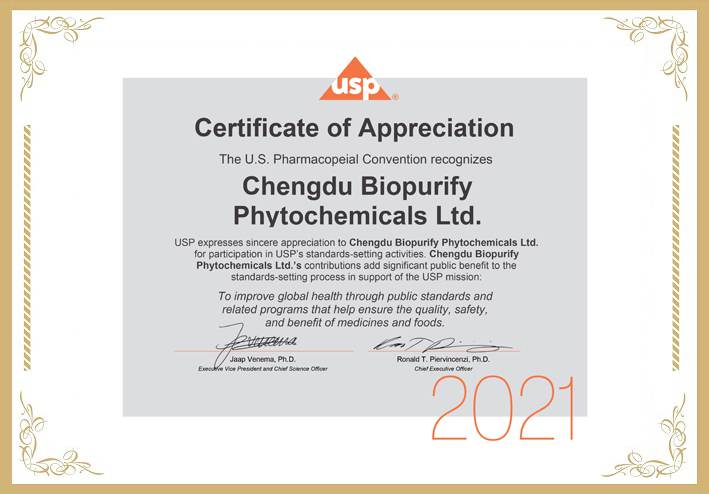
... compared to those obtained from chemical standards. Standard curves for pure punicalagins (Chengdu Biopurify Phytochemicals Ltd., Sichuan, China), prepared at a concentration range between 0.05 and 0.80 g L-1, as well as for ellagic acid (Tocris ...
Antimicrobial activity of pomegranate peel extracts as affected by cultivar
期刊名:Journal of the Science of Food and Agriculture
文献编号:
文献地址: http://onlinelibrary.wiley.com/doi/10.1002/jsfa.7799/abstract
发表日期: 9 JUN 2016
文献编号:
文献地址: http://onlinelibrary.wiley.com/doi/10.1002/jsfa.7799/abstract
发表日期: 9 JUN 2016
相关产品